
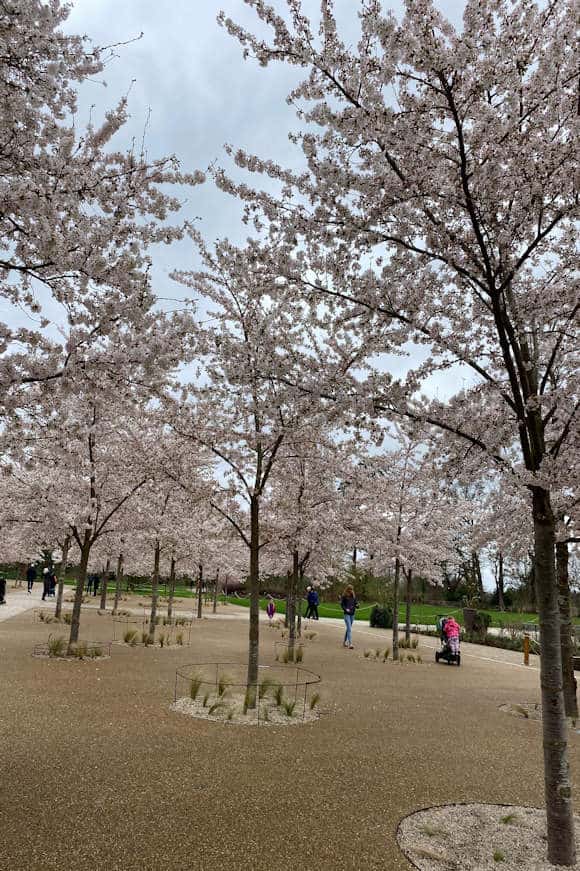
The Entrance Landscape
A stunning mass planting of 140 identical white cherries which when flowering are reminiscent of Japanese cherry time, hanami. Designed by Christopher Bradley-Hole,
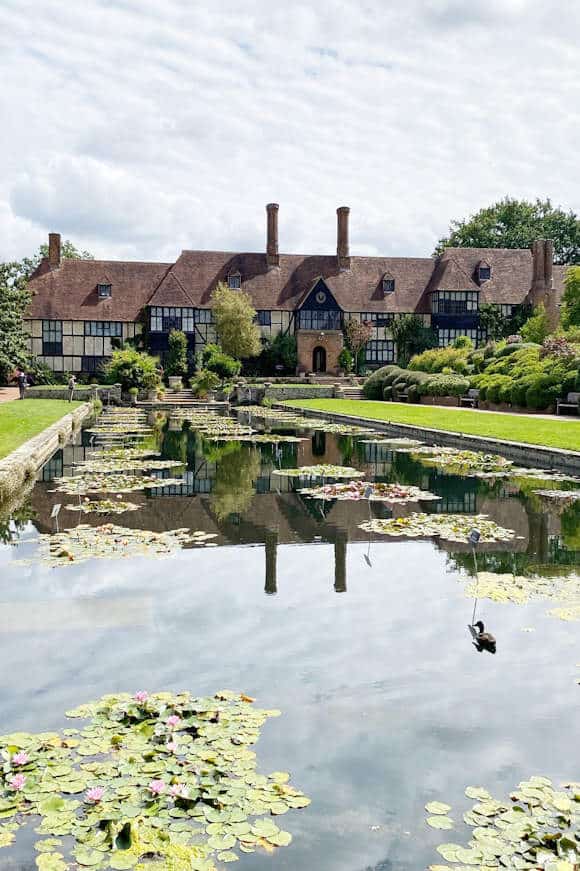
The Jellicoe Canal
Designed and built in the early 1970s by Sir Geoffrey Jellicoe in association with the American designer, Lanning Roper, this wonderful feature complements the Arts and Crafts Laboratory. In spring there are mass plantings of tulips around the Canal, and in summer an impressive display of over 50 waterlilies.
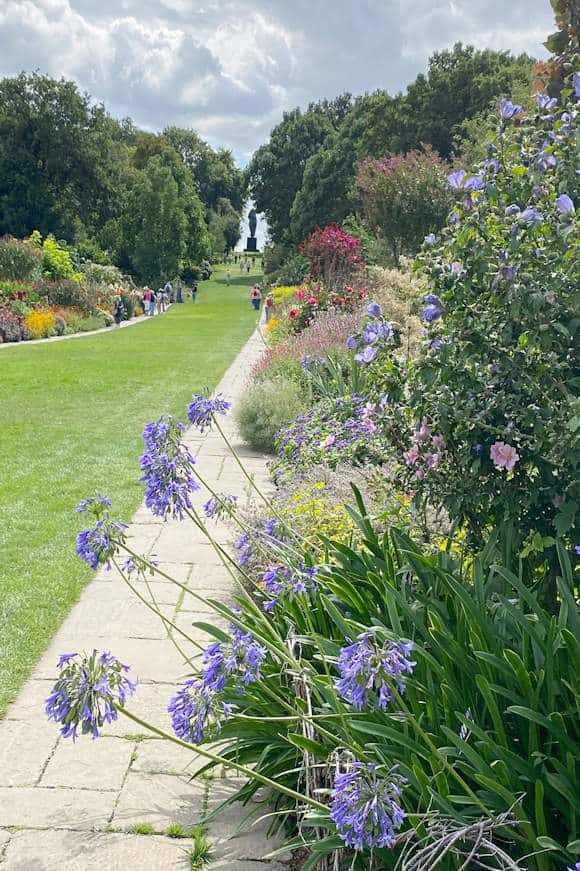
The Mixed Borders.
The Mixed Borders are some of the finest perennial borders in the country, and are planted for a long season of interest, but are at their peak in July and August.
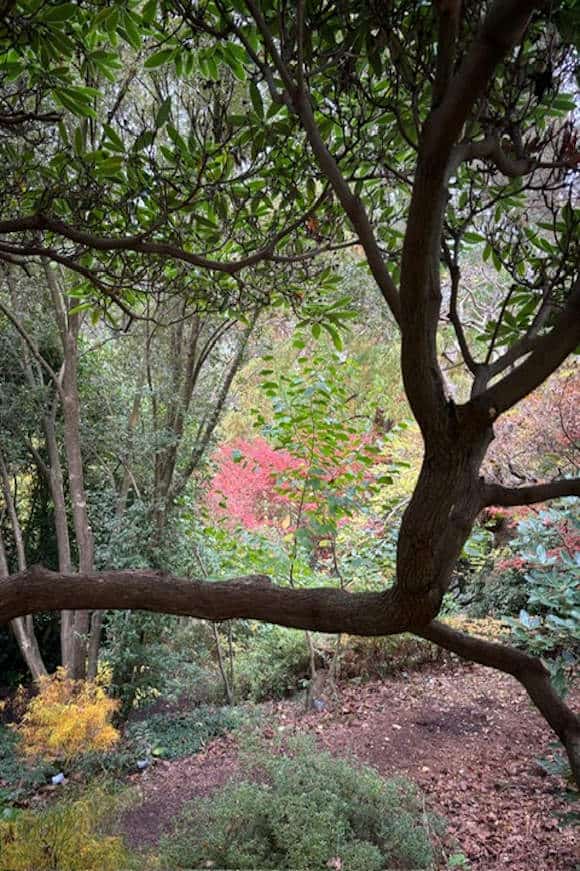
Battleston Hill.
A spectacular woodland display of camellias, rhododendrons and magnolia that thrive of Wisley’s acid soils, from February to May.
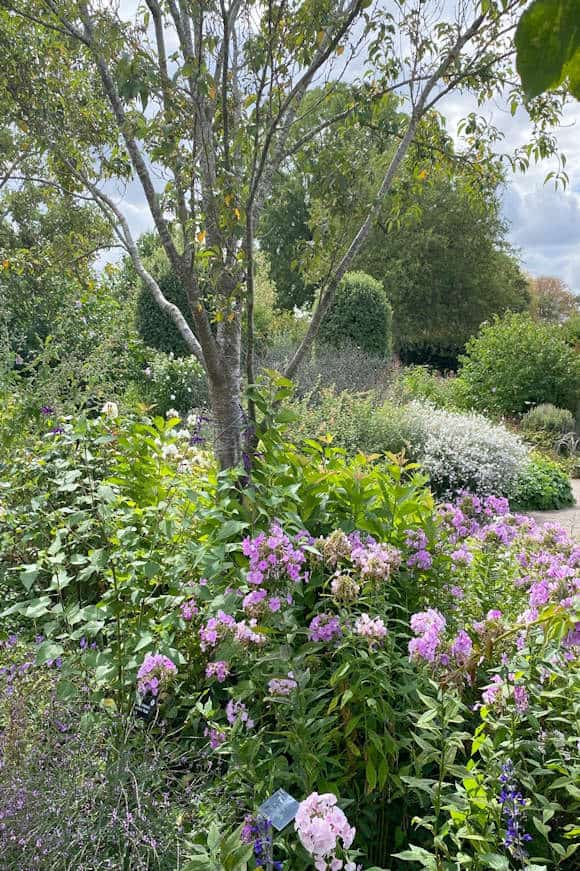
The Cottage Garden.
Designed by Penelope Hobhouse in1995, it has a formal layout, with exuberant cottage garden planting, which was a much-favoured style at that time. The garden is at its peak from April to July.
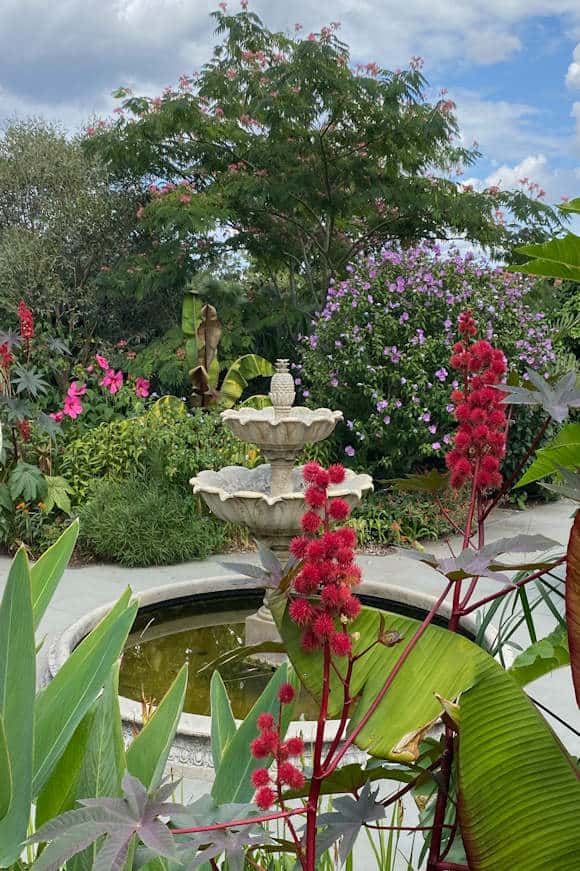
The Exotic Garden
A jungle of palms, Japanese banana, hard pruned catalpas and exotic conifers. The tender tropical plants are wrapped in the winter months. Best in the summer months when the cannas, gingers and dahlias are in flower.
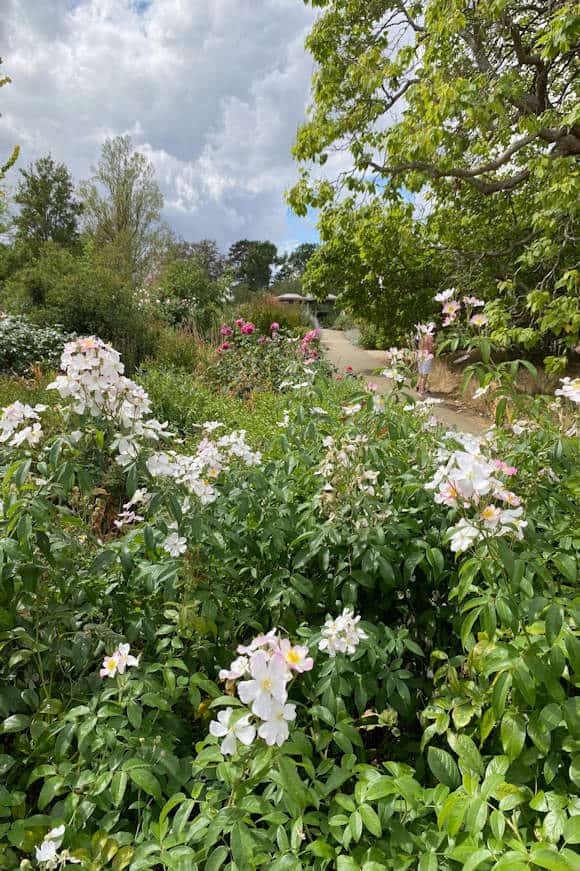
The Bowes-Lyon Rose Garden.
Named after Sir David Bowes-Lyon, who was the President of the RHS from 1953-1961, it consists mostly of drifts of David Austin repeat-flowering fragrant roses, underplanted with perennials and bulbs, and adjacent to an extensive carpet of blue camassias in late spring. The garden is at its best from May to September.
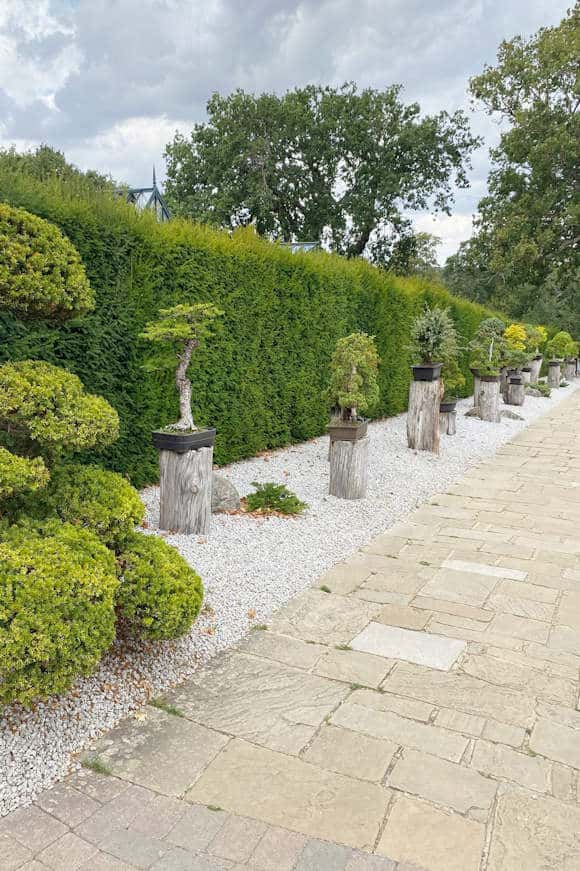
Herons Bonzai Walk.
The bonzai in the walk are displayed on pedestals against a dark yew hedge. There is all-year interest in the beautiful sculptural shapes in winter, the miniature flowers and leaves in spring and summer, and the autumn foliage.
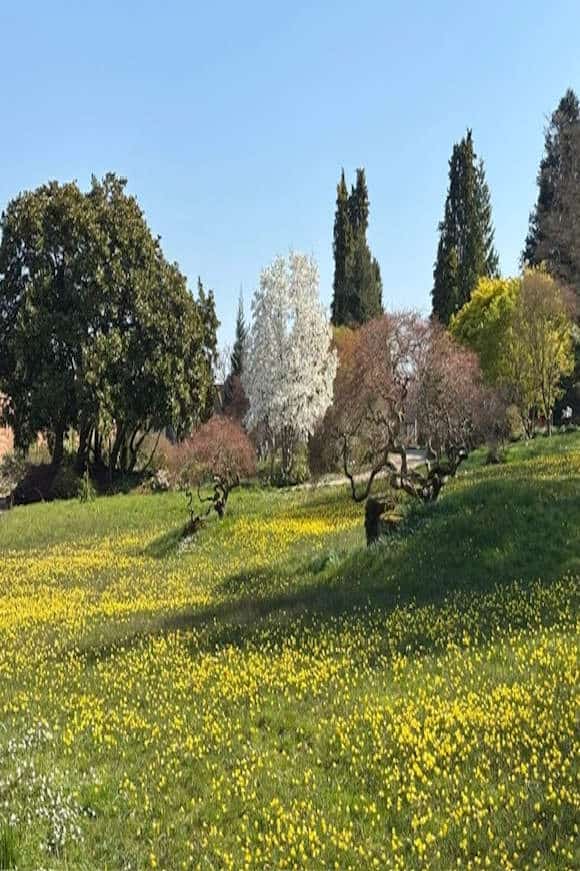
The Alpine Meadow.
Mass-plantings of tiny hoop petticoat daffodils, snakes head fritillary and erythroniums can be found in mid-Spring.
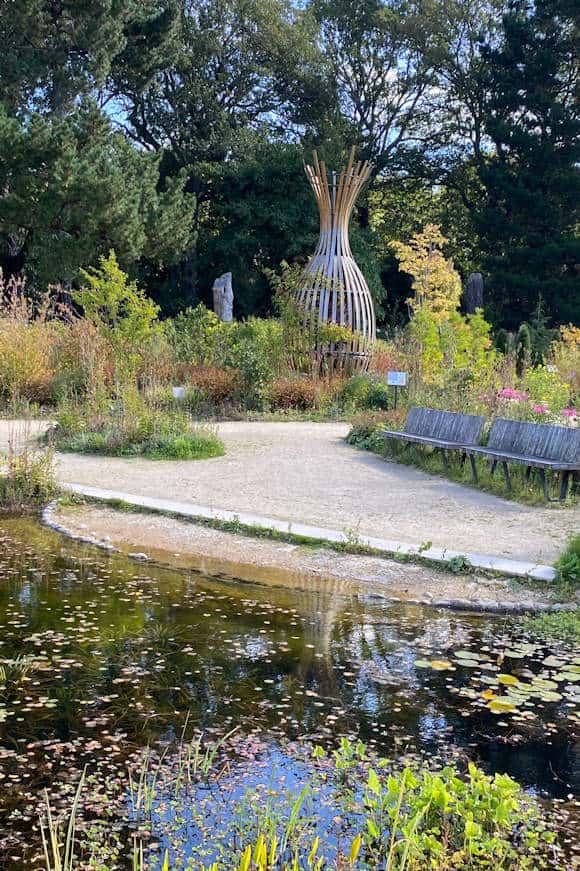
The Wildlife Garden.
One of the new gardens surrounding RHS Hilltop (see Wisley 2)
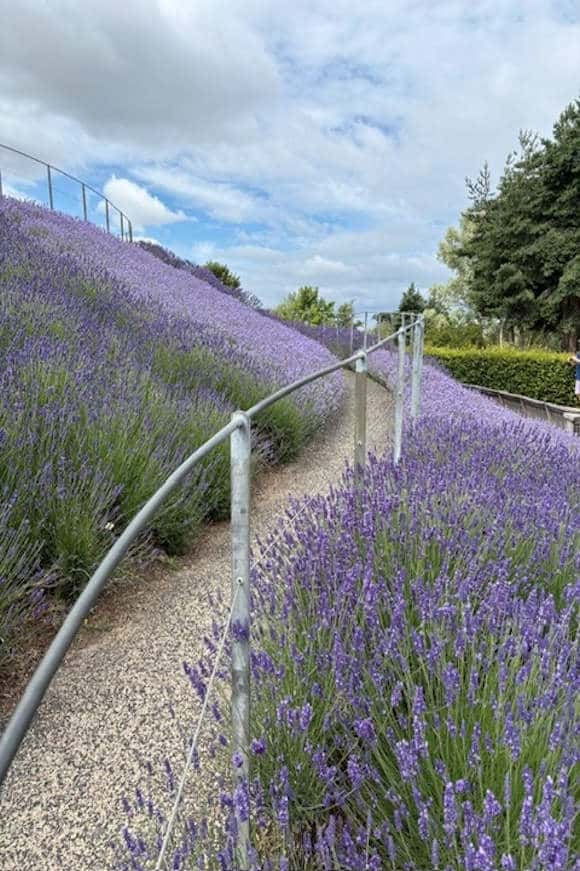
The Viewing Mound.
Planted with different varieties of lavender
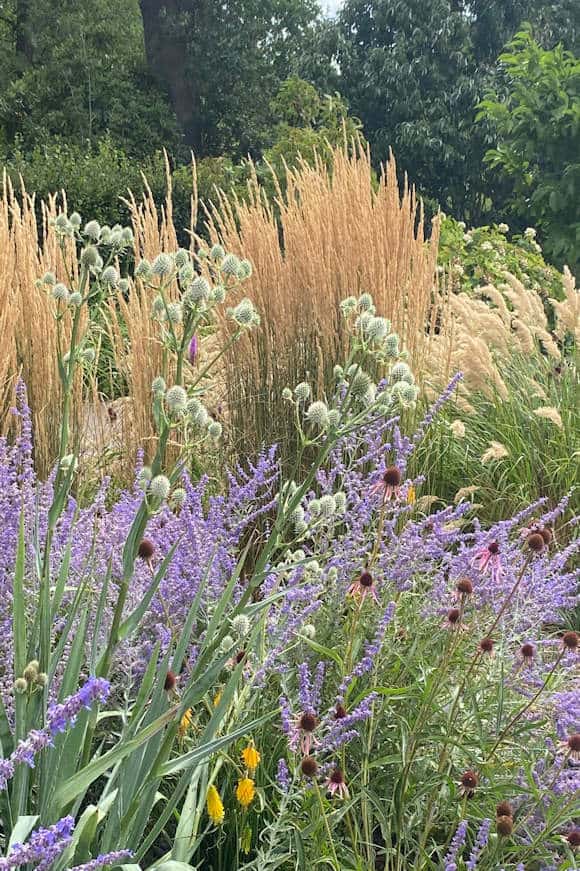
The Oudolf Landscape (see Wisley 1)
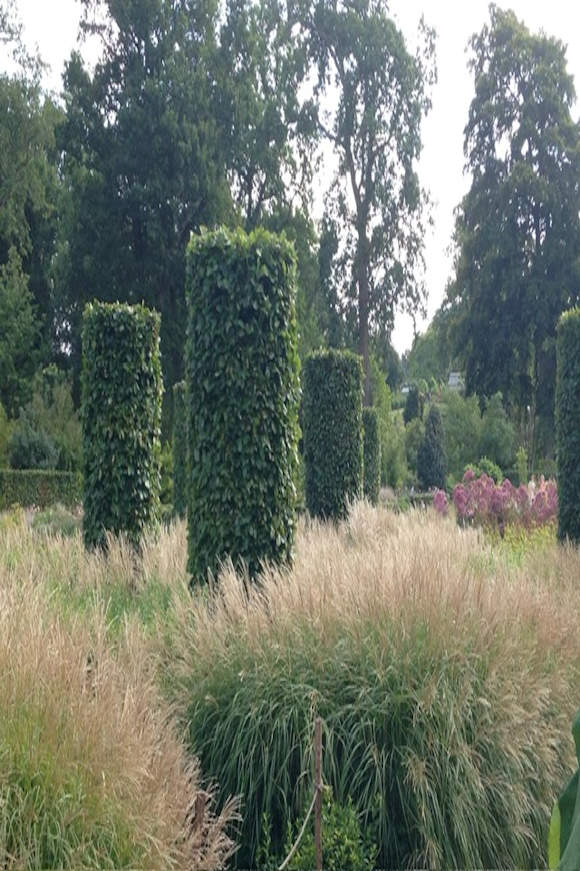
The Glasshouse Borders
Summer-flowering perennial borders and grasses, and the South African Landscape wrapped around the Glasshouse Lake. Designed by Tom Stuart-Smith in association with James Hitchhough.
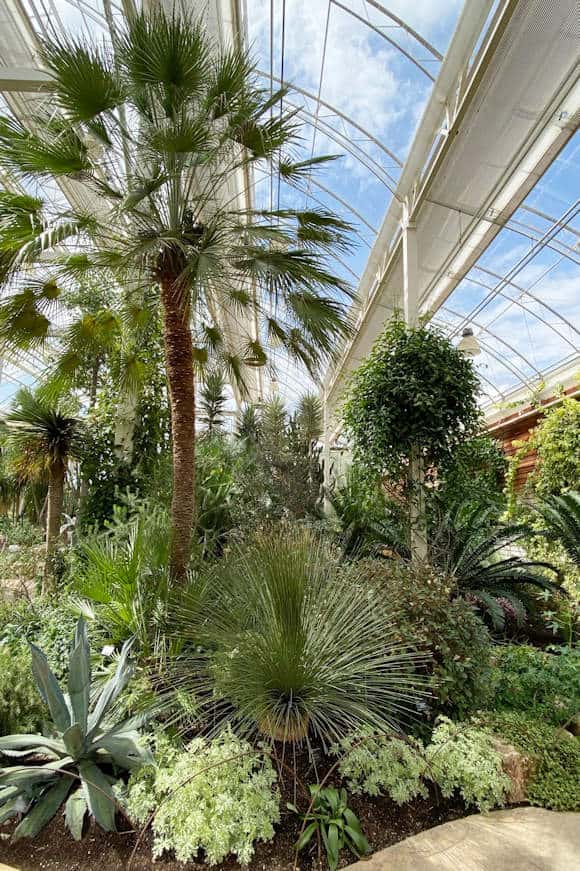
The Glasshouse.
Opened in 2007, there are three climate zones – moist temperate, dry temperate and tropical.
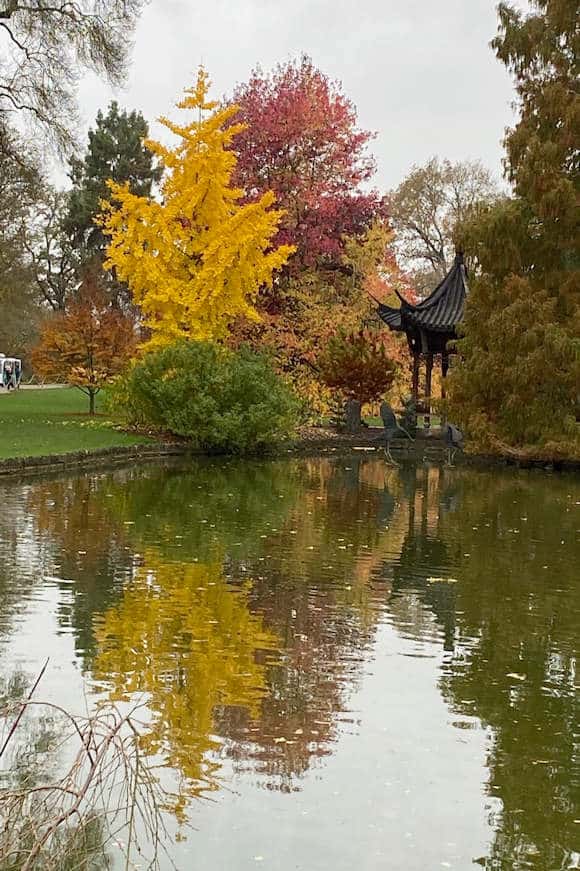
Autumn Colour.
Spectacular Autumn colour is to be found throughout the gardens in late Autumn.
Going to a garden you know really well with someone who hasn’t seen it before helps you see it through new eyes. The Royal Horticultural Garden (RHS) at Wisley is close to where I live, and I visit about once a month. I may be biased but I think it is a world class garden, and a wonderful place to visit. Over the last ten years the RHS have carried out a £160 million development programme, much of it at Wisley, sensitively re-designing it and adding important new gardens and buildings.
.
When I first visited Wisley over 30 years ago it was a plantsman’s garden with not a lot of thought given to the visits of inexperienced gardeners. That has all changed, and now the layout, planting and detail are considered from an aesthetic point of view whilst still carefully labelling things and providing interest for horticulturists. The result is that the garden is now much more popular, visited by those with a love of gardens and open spaces for children to run free, as well as for the more knowledgeable.
The British expect when they visit a house or garden for it to have a good café and shop. Wisley has three cafes and a restaurant, an extensive shop with a large bookstore, souvenirs and everything one could want for a garden, and in addition a very large garden centre with a wide range of plants, that is difficult to fault.
There are always new developments, and currently the Fruit Garden is being further developed with soft fruits, herbs, and over 150 varieties of cutting flowers.
The British climate is such that there is something in flower all year, and in the grey winter months of January and February there are always surprises. The various garden areas cater to specific interests, and I always find something exciting and interesting, whether in the winter garden, the productive garden, the rockery with its Japanese inspired landscape of rocks, pools and waterfalls, the bonzai collection, rose garden or the many other areas.
An army of volunteers, students, horticulturists, volunteers and scientists ensure the highest standards are maintained. Unlike the artifice of the Chelsea Flower Show, more of a fashion parade, Wisley’s plants are growing in the right conditions, in line with Beth Chatto’s mantra ‘right plant, right place.’
Wisley carries out extensive horticultural research into the psychological benefits of gardening, plant diseases, plant performance in the order beds, and answering over 110,000 gardening enquiries a year. In addition, there is an extensive programme for children – our next generation of gardeners.
Wisley is spectacularly good, and like Kew Gardens, it deserves several postings of which this is the third.
Richard Jackson August 2026
Garden Details:
Website: www.rhs.org.uk/gardens/wisley
Address: Woking, Surrey GU23 6QB
Dogs: No
Disabled Access: Although the site has some hills, there is excellent provision
Opening Times: Summer – 9.00-6.00pm, last entry 5.00pm. Closed Christmas Day.